Introduction
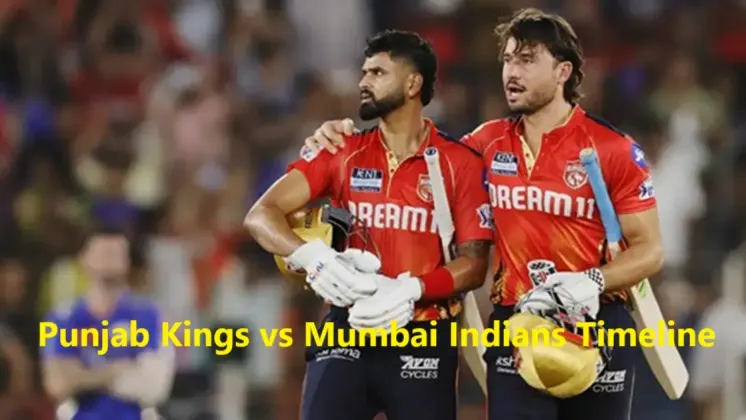
The matchup between the Punjab Kings vs Mumbai Indians Timeline has become one of the most entertaining contests in the Indian Premier League. Both teams are known for their explosive batting lineups, high-quality bowlers, and the ability to produce thrilling matches that keep fans on the edge of their seats. Over the years, encounters between Punjab and Mumbai have featured dramatic finishes, record-breaking innings, and unforgettable performances from some of the biggest stars in T20 cricket. A detailed match timeline helps reveal how momentum shifts throughout the game, highlighting key overs, wickets, partnerships, and tactical decisions that ultimately determine the final result.
Pre-Match Build-Up and Toss Decision
Before the first ball of the match was delivered, anticipation among fans and analysts was extremely high. Punjab Kings vs Mumbai Indians Timeline, historically one of the most successful franchises in IPL history, arrived with a strong squad led by experienced captain Rohit Sharma. Their lineup featured a mix of powerful hitters and world-class bowlers capable of dominating any opponent. Punjab Kings, on the other hand, entered the contest with their own impressive roster led by captain Shikhar Dhawan. Known for his calm leadership and reliable batting at the top order, Dhawan was expected to play a key role in guiding Punjab’s innings. The toss proved to be a crucial early moment in the timeline. Depending on pitch conditions and weather, the captain winning the toss must decide whether to bat first or chase a target.
Powerplay Overs Early Momentum
The Punjab Kings vs Mumbai Indians Timeline of the match began with the powerplay overs, the first six overs of the innings where only two fielders are allowed outside the 30-yard circle. This phase is often dominated by aggressive batting as teams attempt to score quickly while taking advantage of fielding restrictions. For Punjab Kings, the opening partnership set the early tone. Captain Shikhar Dhawan demonstrated excellent technique and composure, carefully selecting his shots while keeping the scoreboard moving. His opening partner Jonny Bairstow added an attacking edge to the innings with powerful strokes through the off side and quick running between the wickets. Mumbai Indians responded with disciplined bowling led by star pacer Jasprit Bumrah.
Middle Overs Strategic Battle
After the powerplay concluded, the match moved into the middle overs phase, which often determines how competitive the final total will be. During this period, teams typically rely on strike rotation, calculated aggression, and intelligent bowling changes. Punjab Kings vs Mumbai Indians Timeline introduced middle-order batsman Liam Livingstone to accelerate the scoring rate. Livingstone is known for his ability to hit massive sixes and change the pace of an innings within just a few deliveries. His aggressive batting style forced Mumbai’s bowlers to rethink their field placements and strategies.
Late Overs Acceleration
As the innings approached the final overs, the tempo of the game increased significantly. T20 cricket often sees explosive scoring during the last five overs, commonly referred to as the “death overs.” Punjab Kings vs Mumbai Indians Timeline relied heavily on their finishing hitters during this stage. Livingstone continued his aggressive approach, targeting the boundary ropes and attempting to push Punjab’s total to a challenging score. Another important contributor was all-rounder Sam Curran, who used his powerful hitting and clever shot placement to add quick runs. Curran’s ability to find gaps and clear the boundary added valuable momentum to Punjab’s innings.
Mumbai Indians Chase Begins
After Punjab Kings vs Mumbai Indians Timeline completed their innings, Mumbai Indians began their chase with determination. Opening batsman Rohit Sharma walked onto the field alongside young talent Ishan Kishan. Kishan quickly made his intentions clear with aggressive strokes that put pressure on Punjab’s bowlers. His fearless batting style allowed Mumbai to maintain a strong scoring rate during the early stages of the chase. Punjab Kings responded with pace bowling from Arshdeep Singh. Known for his ability to swing the ball and deliver accurate yorkers, Arshdeep attempted to break the opening partnership and shift momentum back toward Punjab. This early portion of Mumbai’s chase formed another key segment in the timeline, with both teams striving to control the flow of runs.
Middle Order Pressure Moments
As the chase progressed into the middle overs, Mumbai Indians relied on their experienced middle-order players. One of the most important figures during this stage was Suryakumar Yadav. Suryakumar’s innovative batting style allowed him to play shots in unconventional areas of the field, making it difficult for bowlers to set effective field placements. His innings included several creative boundaries that energized Mumbai’s supporters. Punjab Kings attempted to contain the scoring rate by introducing spin bowling from Rahul Chahar. Chahar’s variations in flight and spin helped slow down the run rate while creating opportunities for wickets.
Turning Points in the Match
Every cricket match has defining moments that significantly influence the final result. In the Punjab Kings vs Mumbai Indians clash, several turning points appeared throughout the timeline. One crucial moment occurred when a well-set batsman was dismissed during the middle overs. This wicket forced the batting side to rebuild the innings and slowed their scoring momentum. Another turning point came during a spectacular fielding effort. A diving catch near the boundary line resulted in a key dismissal that shifted energy back toward the fielding side. Moments like these often appear small when viewed individually, but together they create dramatic shifts in the match timeline that determine which team gains the upper hand.
Death Overs Drama
As the match entered its final overs, tension reached its peak. With only a few overs remaining, Mumbai Indians required a specific number of runs to secure victory. Punjab Kings vs Mumbai Indians Timeline relied on their most reliable bowlers during this phase. Arshdeep Singh delivered crucial overs with accurate yorkers and slower balls designed to prevent big hits. Mumbai’s middle order fought back with powerful shots, attempting to close the gap between the required runs and available deliveries. The final overs produced several dramatic moments including massive sixes, tight run-outs, and pressure-filled deliveries that had fans watching with intense anticipation.
Final Result and Match Impact
When the final ball was delivered, the match Punjab Kings vs Mumbai Indians Timeline reached its conclusion. The result reflected the collective performances of both teams across batting, bowling, and fielding departments. Punjab Kings showcased strong batting depth and disciplined bowling, while Mumbai Indians demonstrated their characteristic fighting spirit and ability to chase challenging targets. The timeline of the match illustrated how momentum shifted multiple times throughout the game. From the powerplay overs to the final deliveries, every phase contributed to the thrilling nature of the contest.
Conclusion
The Punjab Kings vs Mumbai Indians timeline highlights the dramatic nature of T20 cricket and the excitement that makes the IPL one of the world’s most popular leagues. Every stage of the match—from the toss decision to the final over—plays a crucial role in shaping the outcome. Key players such as Shikhar Dhawan, Rohit Sharma, Liam Livingstone, Suryakumar Yadav, and Jasprit Bumrah each contributed important moments that defined the flow of the game. Their performances showcased the blend of skill, strategy, and composure required to succeed in high-pressure cricket matches.
You May Also Read: Chennai Super Kings vs Gujarat Titans Match Scorecard